
globzette.com
  • Home
  • Sports
  • Business
  • Technology
  • Culture
  • Travel
  • Pages
    • About Us
    • Contributor
    • Contact Us
  • 🔥
  • Asia
  • US
  • UK
  • Europe
  • Australia
  • Africa
  • Russia
  • Turkiye
  • War-in-Ukraine
  • Gaza-War
  • Latin-America
  • US-Elections
  • Paris-Olympics
Font ResizerAa
globzette.comglobzette.com
Search
  • Home
  • Sports
  • Business
  • Technology
  • Culture
  • Travel
  • Pages
    • About Us
    • Contributor
    • Contact Us
Follow US
© 2023-25. Global Gazette. All Rights Reserved.
globzette.com > Blog > Africa > Malema Found Guilty in Landmark Hate Speech Ruling
Africa

Malema Found Guilty in Landmark Hate Speech Ruling

Jordan Blake
Last updated: January 28, 2026 10:42 am
Jordan Blake
Published: August 30, 2025
Share
Julius Malema's hate speech
SHARE

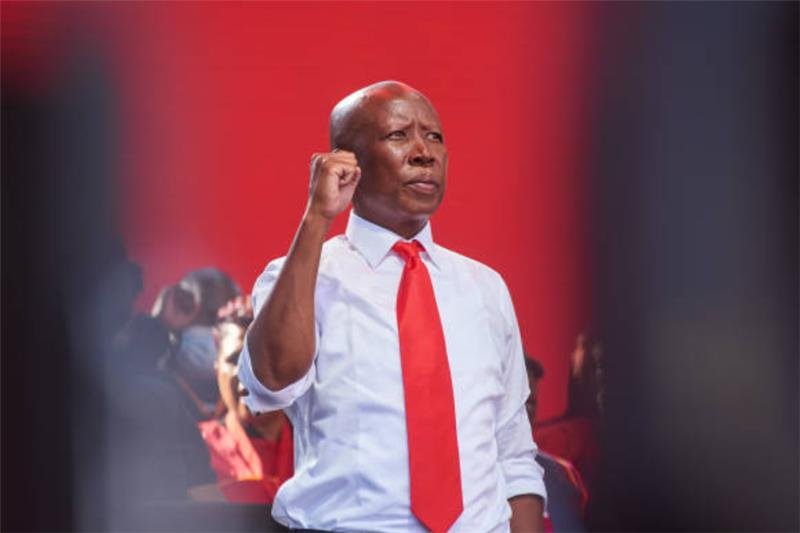
Julius Malema, the leader of South Africa’s opposition party, has been officially found guilty by the Equality Court of hate speech. The ruling is based on comments uttered by Malema at a 2022 rally by the Economic Freedom Fighters (EFF), a political party of which he is the leader.

Contents
  • What Did the Court Rule?
  • How Did the EFF Respond?
  • Why Was Malema Denied Entry to the UK?
  • Has Malema Faced International Criticism?
  • What Is the Broader Context?
  • Final Thoughts

He had contentious things to say in his speech after an alleged white attack on an EFF member. The court said that Malema overstepped the barrier separating political speech and incitement to violence. The case is regarded as having been a landmark in legal practice within South Africa regarding inflammatory political speech in a post-apartheid situation.

What Did the Court Rule?

The Equality Court held that the comments made by Malema could have instigated harm. In particular, his remark–you must never be afraid to destroy–was considered as an encouragement to violence.

As the court noted, it is a free speech to speak out against racism but not to encourage murder as a revenge. It termed the words of Malema as an incitement of the utmost form of harm imaginable. This ruling was based on two grievances; the first was filed by the Human Rights Commission, and the second was presented by a citizen. Here is the link to our article on Australia’s Indigenous Politics.

How Did the EFF Respond?

The EFF vociferously opposed the findings and judgment of the court, terming it as having flaws. The party claimed that the speech of Malema was metaphoric and based on revolutionary resistance language.

In his official announcement, the EFF claimed that the court did not take into account historical context and underestimated the comprehension ability of the average listener to political symbolism. They charged the judiciary with misunderstanding liberation-era rhetoric to face value threats.

Why Was Malema Denied Entry to the UK?

In mid-2024, the United Kingdom prohibited Malema from entering its country. His presence was considered to be non-conducive to the public good by the Home Office.

The ruling cited his previous speeches, such as one in favor of Hamas, and previous statements that were construed to mean incitement to racial violence. The EFF condemned the ban as an effort to muzzle dissent and an effort to suppress democratic discourse on global affairs. Here is the link to our article on the Political Power Struggle.

Has Malema Faced International Criticism?

Yes. U.S. President Donald Trump is reported to have criticised Malema in a high-level meeting with South African President Cyril Ramaphosa. Trump broadcast a video of Malema singing a virulent anti-apartheid song that is generally viewed as aimed at white farmers.

In spite of violent lyrics portrayed in the song, the Supreme Court of South Africa has decided that these chants are mostly symbolic, rather than literal, especially when used in the political arena. The court supported the view that an informed electorate would not take the song to mean a call to violence.

What Is the Broader Context?

The problem of racial tensions is very delicate in South Africa, which is why, thirty years after the collapse of apartheid in 1994, this issue is still present. Politicians such as Malema use the language of history to reach their base.

Nevertheless, this hate speech decision indicates that the law courts can no longer afford such rhetoric as it trends towards the realms of violence or provocation. The ruling can be used as a precedent on the potential freedom of speech versus the safety of the people and national unity in South Africa.

Final Thoughts

This latest hate speech case against Julius Malema highlights the difficulty with which democracies attempt to control political speech. As much as free speech is essential, any call that borders on violence, intentionally or symbolically, can be prosecuted. The judgment will probably stir up a never-ending debate on issues of political responsibility, racial relations, and the future of rhetoric within South African civil life.


Trump Renews Treason Allegations Against Obama
Speaking Out After 17 Shots: Minnesota Political Assassination Survivor
Why Is Job Ndugai’s Death a Major Loss for Tanzania?
Russia Deepens Ties with African Nations Amid Western Tensions
Two Ghanaian Ministers Killed in Helicopter Crash
TAGGED:justicePoliticsSouth Africa
Share This Article
Email Copy Link Print
ByJordan Blake
Jordan Blake is a notable Africa affairs analyst celebrated for in-depth coverage of the continent’s evolving socio-political, economic, and technological landscapes. His expertise spans African Union diplomacy, energy transition strategies, digital finance innovation, climate resilience, youth entrepreneurship, governance reform, and the fast-growing cultural industries redefining modern Africa. Through globzette.com, Jordan Blake delivers investigative features, exclusive interviews with regional leaders, and forward-looking analyses across Africa’s dynamic subregions from West Africa’s oil economies and East Africa’s tech corridors to the Sahel’s security challenges and Southern Africa’s green infrastructure drive. Engaging over 2 million professionals, policymakers, and investors, his reporting translates complex continental developments into clear, actionable insight.
Previous Article Taylor Swift engagement ring Taylor Swift’s Ring Fuels Celebrity Engagement Trends
Next Article Nigeria shea nut ban Nigeria Halts Raw Shea Nut Exports to Boost Industry
Leave a Comment

Leave a Reply Cancel reply

Your email address will not be published. Required fields are marked *

You Might Also Like

Sultani Makenga M23 Rebellion in DR Congo
Africa

The Life and Legacy of Sultani Makenga: The Man Behind the M23 Rebellion

By Jordan Blake
Togo political crisis protest
Africa

Former Minister’s Arrest Escalates Togo Political Crisis

By Jordan Blake
Zimbabwe land compensation debate
Africa

Zimbabwe Land Compensation Deal Divides Stakeholders

By Jordan Blake
Africa

Malaria Suspected in Outbreak Killing Over 80 in South-Western DR Congo

By Jordan Blake
globzette.com

About US


Globzette is your go-to source for up-to-date news and in-depth analysis on global events. Covering a wide range of topics including politics, technology, business, culture, sports, and international affairs, we deliver timely, accurate, and well-researched content. Stay informed with Globzette, where news meets perspective.

Facebook Instagram

Top Categories

  • Sports
  • Business
  • Technology
  • Culture
  • Travel
  • Asia
  • Australia
  • Europe
  • US

Useful Links

  • US Elections
  • War in Ukraine
  • Africa
  • Gaza War
  • Latin America
  • Paris Olympics
  • Russia
  • Turkiye
  • UK

Pages

  • Home
  • Blog
  • About Us
  • Contact Us
  • Contributor
  • Privacy Policy
  • Terms and Conditions

© 2023-25. Global Gazette. All Rights Reserved.

Welcome Back!

Sign in to your account

Username or Email Address
Password

Lost your password?