

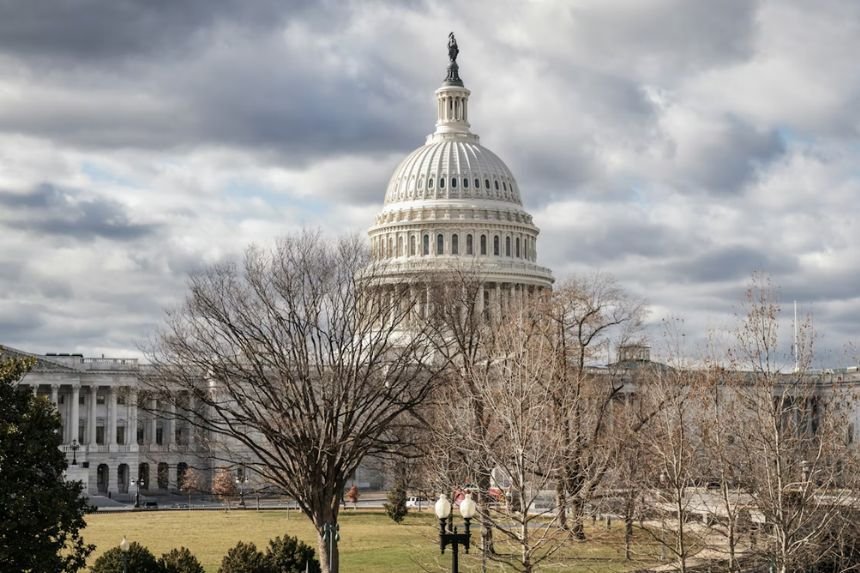
The House of Representatives in the U.S. voted against resolutions that would limit the president on the approach to take on Venezuela military action.
The ruling was highly controversial regarding the executive authority and national security, as well as congressional authority to endorse foreign missions.
Trump Administration: Key Takeaways from Top Aide Interviews
Legislators considered the possibility of restricting possible U.S. military actions associated with narcoterrorism and the necessity to put into effect operations against drug cartels in the Western Hemisphere.
History of the Congress debate
The resolutions came in the wake of increasing worry regarding Trump’s military command and the extent of operations regarding the Venezuela policy. Those who supported it claimed the expansion of military involvement needed congressional approval through the War Powers Act.
Nevertheless, Republican opposition insisted that the president needed to be flexible enough to react quickly to any threats, such as Caribbean Sea attacks on organized crime networks.
House puts off resolutions on war power vote
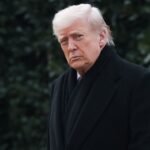
The House dismissed resolutions that sought to restrict Trump in his campaign by asserting executive discretion during the decisive war powers vote.
Can Trump Ban Mail-In Voting in 2026?
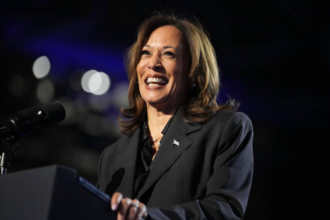
Resolutions supported by democrats emphasized congressional oversight, and opponents cautioned that any tightening would reduce deterrence and destabilize current security preparations.
Arguments from both parties
The advocates of the actions refer to the constitutional checks on the executive power debate. Critics have responded that there is no imbalance in oversight against the national defense requirements through the existence of law, particularly in the case of transnational crime.
Regional and strategic implications.
The consequence strengthens the existing policy in Venezuela and portends the same tendency of relying on executive-made decisions in the matter of the security of the region.
Conclusion
The House ruling points to the old conflicts concerning war power and presidential authority. House voting down resolutions would confirm a liberal understanding of executive power within the current established law.
The lawmakers who were against the measures pointed out the national security priorities, saying that it is necessary to respond quickly in the case of fighting drug cartels and narcoterrorism networks.
In the meantime, opponents cautioned that going around Congress’s authorization would undermine constitutional protections.
The vote is also an indication of greater differences on congressional oversight and the War Powers Act, especially on whether the U.S might launch military strikes in such sensitive areas as the Caribbean Sea.
The discussion highlights the intersection of the foreign threats, internal politics, and constitutional constraints as the Venezuela policy is still a center of focus.
Discussions on this are expected to be continued in the future, as Congress will balance its power against that of the President in the foreign policy formulation of military action.
FAQs
Q1. Whom did the House vote decide?
Legislators have voted down initiatives to restrict the military choices of the president in connection with Venezuela.
Q2. What was the reason behind the resolutions?
They hoped to make Congress authorize the extended commitment of military activity under the War Powers Act.
Q3. What does this imply for Trump’s military authority?
The vote maintains a wide executive discretion in prospective operations.
Q4. Did it include drug cartels in the discussion?
Yes, the narcoterrorism and cartel-related concerns were the focal points.
Q5. Will Congress reconsider this case?
There can be further discussion because the questions regarding control and executive authority persist.