

The Russia-Ukraine conflict has created a major humanitarian, political, and military crisis affecting Ukraine, Russia, and global security simultaneously.
- Historical Background of the Russia-Ukraine Conflict
- Timeline of the Russia-Ukraine Conflict
- Geographical Context of the Russia-Ukraine Conflict
- Civilian Impact of the Russia-Ukraine Conflict
- Military Developments in the Russia-Ukraine Conflict
- International Involvement in the Russia-Ukraine Conflict
- Peace Talks and Negotiation Efforts in the Russia-Ukraine Conflict
- Current Status of the Russia-Ukraine Conflict
- Conclusion
- FAQs About the Russia-Ukraine Conflict
Since February 2022, the conflict has escalated into large-scale warfare, causing civilian casualties, infrastructure destruction, and displacement across Ukraine.
This article provides a Russia-Ukraine conflict summary, covering history, causes, military developments, and peace talks, with UPSC-friendly explanations included.
Historical Background of the Russia-Ukraine Conflict
Early Tensions and Independence
Tensions between Russia and Ukraine date back centuries, influenced by politics, culture, and geography prior to Ukraine’s 1991 independence.
Russia historically viewed Ukraine as within its sphere, resisting Ukrainian sovereignty and alignment with Western political and military institutions.
Crimea Annexation and Donbas Conflict
In 2014, Russia annexed Crimea, escalating tensions and sparking the Donbas conflict with separatists in Donetsk and Luhansk.
International condemnation followed the annexation, leading to sanctions and establishing the basis for the Russia-Ukraine conflict timeline studied in UPSC exams.
Historical Causes
The reason for the Russia-Ukraine conflict includes territorial claims, geopolitical ambitions, Ukraine’s Western alignment, and control of strategic economic resources.
Russia seeks influence over neighboring countries while opposing NATO expansion, and Ukraine defends sovereignty and its democratic independence against Russian pressure.
Timeline of the Russia-Ukraine Conflict
Early Stages
Conflict between Russia and Ukraine existed at a low-intensity level before 2022, particularly in eastern regions of Donetsk and Luhansk.
Skirmishes and separatist movements defined the period from 2014 to 2021, laying groundwork for the large-scale escalation in 2022.
2022 Escalation
On February 24, 2022, Russia launched a full-scale invasion, marking the Russia-Ukraine conflict start date for the latest war.
Kyiv, Kharkiv, and southern Ukraine faced major attacks, forcing mass civilian evacuations and causing extensive damage to urban infrastructure.
Cultural Devastation and Resilience: Ukraine’s Struggle Amidst the Russian Invasion
2023–2025 Developments
Fighting continued across Donetsk, Luhansk, Kherson, and Odesa, with ongoing clashes, civilian casualties, and attacks on energy infrastructure reported consistently.
Updates in the Russia-Ukraine conflict update track shifting frontlines and military operations, highlighting the prolonged stalemate between both sides.
Geographical Context of the Russia-Ukraine Conflict
Key Cities and Regions
Strategic cities like Kyiv, Odesa, Kherson, Donetsk, Luhansk, and Pokrovsk remain central to the conflict due to military and economic importance.
Kyiv, Ukraine’s capital, faced early assaults, while southern port cities provide critical trade and logistics access for both sides’ military operations.
Maps and Visual Resources
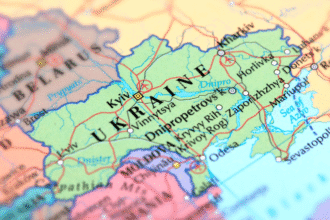
The Russia-Ukraine conflict map illustrates contested areas, key frontlines, and zones under attack, helping analysts and students understand ongoing military dynamics.
Real-time updates via Russia-Ukraine war map live provide insight into territorial control, shifting battles, and the spread of Russian missile strikes.
Civilian Impact of the Russia-Ukraine Conflict
Casualties and Displacement
The conflict has caused thousands of civilian casualties, including children, and displaced millions of Ukrainians internally and internationally since 2022.
Repeated drone and missile attacks have destroyed homes, schools, hospitals, and critical infrastructure across Kyiv, Odesa, Zhytomyr, and Kherson regions.
Psychological and Social Effects
Residents experience fear, anxiety, and hopelessness as repeated blackouts, air raids, and bombardments disrupt daily life and social stability in Ukraine.
The Russia-Ukraine conflict update emphasizes civilian suffering, including psychological stress, displacement, and trauma, alongside the destruction of livelihoods and infrastructure.
Infrastructure Damage
Widespread attacks on energy facilities have caused blackouts affecting heating, water, and electricity in several major cities across Ukraine.
Destruction of transport networks and critical infrastructure disrupts humanitarian aid, trade, and supply chains, intensifying the civilian impact of ongoing warfare.
Military Developments in the Russia-Ukraine Conflict
Offensive Operations
Russia has launched hundreds of drones and dozens of missiles against Ukraine, overwhelming air defenses and targeting both military and civilian areas.
Ukraine’s armed forces, despite limited resources, have successfully shot down many projectiles, defending critical cities and infrastructure while minimizing civilian casualties.
Frontline Dynamics
Key battles continue in Donetsk, Luhansk, Kherson, Odesa, and Pokrovsk, with territory changing hands as both sides engage in prolonged military operations.
The latest news on Russia-Ukraine conflict reflects a war of attrition, with neither side achieving decisive victories despite intense offensives and counteroffensives.
International Involvement in the Russia-Ukraine Conflict
United States and European Role
The United States has led peace talks and provided military assistance and security guarantees to Ukraine, focusing on diplomatic resolution strategies.
European nations have provided humanitarian aid, military support, and participated in negotiations, seeking to prevent further escalation and regional destabilization.
Regional Responses
Poland, as a NATO member bordering Ukraine, has scrambled fighter jets to monitor and defend airspace from potential Russian threats.
Neighboring countries have reinforced borders, provided humanitarian support, and increased defensive readiness to protect civilians in regions near the conflict zones.
India’s Role
India has maintained diplomatic neutrality, advocating for peaceful resolution and balanced engagement with both Russia and Ukraine in international forums.
The role of India in Russia-Ukraine conflict UPSC highlights India’s strategic approach to global security, energy, and diplomatic relations.
Changing Attitudes Toward Ukrainian Refugees in Poland
Peace Talks and Negotiation Efforts in the Russia-Ukraine Conflict
US-Led Diplomacy
US-led peace talks have produced draft agreements emphasizing security guarantees, economic recovery, and a framework to end hostilities between Ukraine and Russia.
Negotiations aim to prevent further attacks, ensure Ukrainian sovereignty, and create multilateral security agreements supported by the international community.
Russian Stance
Russia continues to maintain maximalist demands, refusing to compromise on territorial control, military presence, or NATO-related issues, complicating negotiations.
Putin’s envoy Kirill Dmitriev has participated in discussions, focusing on assessing proposals and determining what is acceptable to Moscow’s leadership.
Challenges and Progress
Despite slow progress, peace talks remain constructive, contributing to potential de-escalation, drafting security guarantees, and promoting reconstruction and stability in Ukraine.
These efforts represent ongoing international mediation, highlighting the complexity and geopolitical stakes of resolving the Russia-Ukraine conflict.
Current Status of the Russia-Ukraine Conflict
Frontline Developments
As of 2025, fighting continues in Donetsk, Luhansk, Kherson, Odesa, and Pokrovsk, with fluctuating control and persistent civilian casualties.
Both sides experience heavy losses, while military operations, drone strikes, and missile attacks continue to affect infrastructure and residential areas.
International Perspective
Global analysts debate who is winning the war in Ukraine and Russia vs Ukraine who is winning, as frontline shifts create uncertainty and contested outcomes.
The ongoing humanitarian, economic, and strategic consequences are recognized globally, reflecting the prolonged nature of the Ukraine Russia war 2025.
Future Outlook
The conflict’s resolution depends on continued diplomatic engagement, international support for Ukraine, and Russia’s willingness to negotiate territorial and security compromises.
Monitoring Russia-Ukraine conflict updates remains essential for understanding developments, predicting military movements, and assessing geopolitical impacts on the region.
Conclusion
The Russia-Ukraine conflict remains a complex war with military, political, and humanitarian dimensions, reshaping global geopolitics and international security.
From drone and missile attacks to diplomatic negotiations, the conflict’s impact is widespread, affecting civilians, infrastructure, and regional stability.
Understanding the history of Russia-Ukraine conflict explained, examining timelines, maps, and current updates, and following peace talks is essential for students, policymakers, and global observers.
The situation remains fluid, and continuous monitoring of Russia-Ukraine conflict update, international responses, and frontline developments is necessary to understand future outcomes.
FAQs About the Russia-Ukraine Conflict
- What is the reason for Russia attacking Ukraine?
Russia aims to assert geopolitical influence, prevent NATO expansion, and control strategic territories, while Ukraine defends its sovereignty. - How much of Ukraine has Russia taken?
Russia controls parts of Donetsk, Luhansk, Crimea, and some southern regions, but Ukraine still retains most of its territory. - Has Ukraine lost 500,000 soldiers?
No verified reports confirm this; Ukraine has suffered significant military losses, but exact numbers are disputed and much lower than 500,000. - What is the main conflict between Russia and Ukraine?
The core conflict revolves around territorial control, sovereignty, NATO alignment, and Russia’s strategic ambitions versus Ukraine’s independence.