

The January 6 attack became a defining moment because it exposed deep fractures in public trust, institutional confidence, and shared understanding of democratic legitimacy across American political life.
- January 6 Attack and the Setting of the Capitol Events
- January 6 Attack and the Breach of the U.S. Capitol
- January 6 Attack and Public Interpretation of Events
- January 6 Attack and the 2020 Election Context
- January 6 Attack and Donald Trump’s Political Role
- January 6 Attack and Allegations of Incitement
- January 6 Attack and Institutional Accountability
- January 6 Attack and Capitol Police Preparedness
- January 6 Attack and National Guard Authorization
- January 6 Attack and Congressional Leadership Oversight
- January 6 Attack and Nancy Pelosi’s Statements
- January 6 Attack and Vice Presidential Authority
- January 6 Attack and the Meaning of the Capitol Breach
- January 6 Attack and Narrative Construction
- January 6 Attack and the White House Website
- January 6 Attack and Accusations of Revisionism
- January 6 Attack and Claims of Political Targeting
- January 6 Attack and Federal Prosecutions
- January 6 Attack and Due Process Concerns
- January 6 Attack and Presidential Pardons
- January 6 Attack and the Label of Patriotic Americans
- January 6 Attack and Extremist Group Presence
- January 6 Attack and Information Ecosystems
- January 6 Attack and Social Media Enforcement
- January 6 Attack and Financial Consequences
- January 6 Attack and Psychological Impact on Officers
- January 6 Attack and Democratic Resilience
- January 6 Attack and the Rule of Law Debate
- January 6 Attack and Historical Memory Formation
- January 6 Attack and Competing Democratic Visions
- January 6 Attack and the Path Forward
- Conclusion: The Enduring Legacy of the January 6 Attack
- FAQs About the January 6 Attack
Rather than resolving political tensions, the events accelerated polarization and transformed disagreements over governance into disputes about truth, authority, and the nature of democracy itself.
January 6 Attack and the Setting of the Capitol Events
The constitutional process under pressure
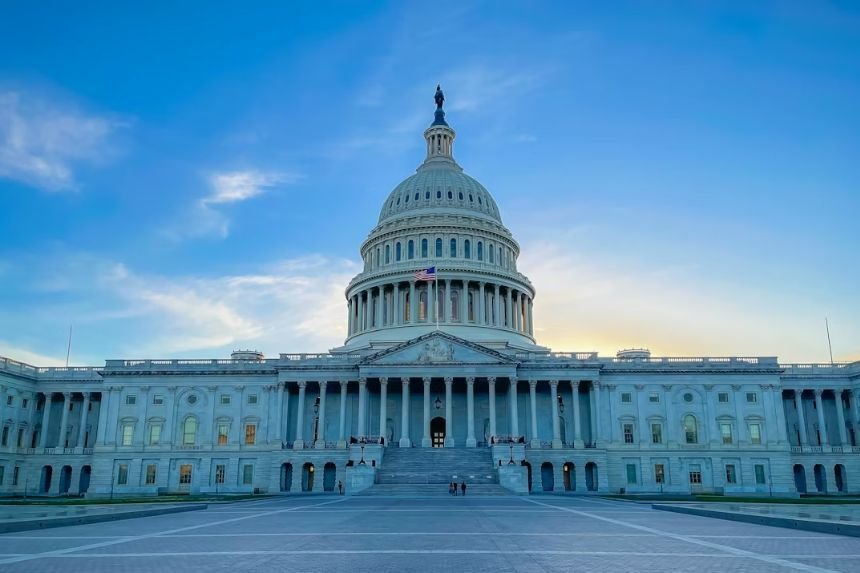
The January 6 attack occurred during the formal certification of Electoral College votes, a constitutional process designed to affirm the outcome of the 2020 presidential election.
Large crowds assembled in Washington, motivated by concerns regarding election administration, perceived irregularities, and frustration with political institutions they believed no longer represented them fairly.
January 6 Attack and the Breach of the U.S. Capitol
Disruption of legislative proceedings
As certification proceedings began, a segment of the crowd moved toward the Capitol complex, overwhelming security measures and entering the building.
This breach temporarily halted congressional proceedings, forced evacuations, and created conditions of confusion and fear inside a symbolically significant democratic institution.
January 6 Attack and Public Interpretation of Events
Competing understandings of intent
The January 6 attack has been described in sharply different ways, ranging from insurrection and coup attempt to protest escalation enabled by institutional failure.
Each interpretation reflects broader political values and shapes how responsibility, punishment, and reform are discussed within public discourse.
Las Vegas Teenagers Escape Lengthy Sentences After Beating Classmate to Death
January 6 Attack and the 2020 Election Context
Distrust following unprecedented circumstances
The January 6 attack emerged from a political environment shaped by a global pandemic, rapid changes to election procedures, and widespread skepticism among voters regarding transparency and accountability.
Although courts and officials upheld election results, doubts persisted and fueled continued political mobilization.
January 6 Attack and Donald Trump’s Political Role
Leadership, rhetoric, and responsibility debates
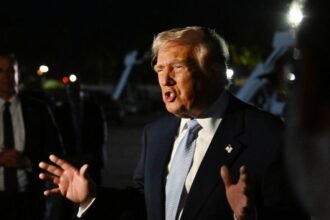
Donald Trump’s role in the January 6 attack remains among the most contested aspects of the event.
Critics argue his repeated challenges to the election outcome and public messaging encouraged resistance to certification, while supporters maintain he engaged in lawful political speech protected by constitutional rights.
January 6 Attack and Allegations of Incitement
Legal and moral interpretations
Debates surrounding the January 6 attack include whether political rhetoric can constitute incitement when followed by unlawful actions carried out independently by supporters.
This question remains central to discussions about accountability, free expression, and leadership responsibility in democratic societies.
January 6 Attack and Institutional Accountability
Beyond individual actions
The January 6 attack raised broader questions about whether responsibility extends beyond individual participants to include institutional failures, leadership decisions, and systemic weaknesses.
Many argue that focusing solely on participants ignores deeper structural issues that enabled the breach.
January 6 Attack and Capitol Police Preparedness
Strain on law enforcement capacity
The January 6 attack placed Capitol Police under extraordinary pressure as crowd sizes exceeded expectations and security perimeters failed.
Officers were forced to adapt rapidly to evolving threats while attempting to protect lawmakers, staff, and the integrity of the Capitol building.
January 6 Attack and National Guard Authorization
Coordination challenges during crisis
The January 6 attack exposed delays and confusion regarding National Guard deployment authority and response coordination.
These challenges intensified criticism of emergency preparedness planning and interagency communication during high-risk political events.
January 6 Attack and Congressional Leadership Oversight
Administrative responsibility and criticism
The January 6 attack prompted renewed scrutiny of congressional leadership’s role in overseeing Capitol security preparations.
Statements acknowledging insufficient readiness became focal points in debates over whether leadership failures contributed to the severity of the breach.
January 6 Attack and Nancy Pelosi’s Statements
Interpreting leadership accountability
Nancy Pelosi’s comments acknowledging security shortcomings were cited by critics as evidence of preventable failure.
Supporters countered that acknowledging shortcomings does not equate to responsibility for unlawful actions taken by others.
January 6 Attack and Vice Presidential Authority
Constitutional limits clarified
The January 6 attack intensified debate over the vice president’s role during electoral certification.
Legal consensus maintained that Vice President Mike Pence possessed no authority to reject certified electoral votes, reinforcing constitutional boundaries.
January 6 Attack and the Meaning of the Capitol Breach
Symbolism and consequence
The January 6 attack carried symbolic weight because it occurred at the physical seat of legislative power.
For many Americans, the breach represented a violation of democratic norms regardless of political motivation.
U.S. Government Shutdown: Full Updates & Nationwide Impact
January 6 Attack and Narrative Construction
Language as political power
How the January 6 attack is described profoundly influences public perception.
Terms such as riot, insurrection, protest, or security failure shape emotional response, moral judgment, and policy outcomes.
January 6 Attack and the White House Website
Reframing historical memory
The January 6 attack was later revisited through a White House website offering an alternative interpretation.
The site challenged established narratives, emphasized peaceful protest elements, and criticized political investigations following the event.
January 6 Attack and Accusations of Revisionism
Disputed historical framing
Critics argued that revising the narrative surrounding the January 6 attack risked minimizing violence and undermining democratic accountability.
Supporters viewed the effort as correcting perceived misinformation and political bias.
January 6 Attack and Claims of Political Targeting
Allegations of weaponized justice
The January 6 attack led to claims that the justice system was used to punish political dissent rather than solely criminal conduct.
Supporters of this view cited harsh detention conditions, sentencing disparities, and prolonged legal processes.
January 6 Attack and Federal Prosecutions
Scope and scale of legal response
The January 6 attack resulted in nearly 1,600 federal prosecutions, making it one of the largest criminal investigations in American history.
Charges ranged from nonviolent trespassing to assault and conspiracy.
January 6 Attack and Due Process Concerns
Civil liberties under scrutiny
Concerns emerged that some defendants connected to the January 6 attack experienced violations of due process, including extended pretrial detention and limited access to family.
These concerns fueled broader debates about justice system fairness.
January 6 Attack and Presidential Pardons
Clemency as political intervention
Presidential pardons related to the January 6 attack dramatically altered the legal aftermath.
Supporters described clemency as correcting a historic injustice, while critics warned it undermined deterrence and accountability.
January 6 Attack and the Label of Patriotic Americans
Competing identity narratives
Some political voices described January 6 participants as patriotic Americans expressing constitutional grievances.
Others argued such labeling ignores unlawful conduct and normalizes political violence.
January 6 Attack and Extremist Group Presence
Assessing representativeness
The presence of extremist organizations during the January 6 attack became a central point of contention.
Debate continues over whether these individuals represented a broader movement or a marginal element.
January 6 Attack and Information Ecosystems
Fragmented sources of belief
Public understanding of the January 6 attack increasingly formed through decentralized digital platforms rather than shared institutional narratives.
This fragmentation complicated consensus and deepened ideological division.
January 6 Attack and Social Media Enforcement
Platform authority and free expression
The January 6 attack prompted widespread content moderation and account restrictions.
Supporters argued these actions protected public safety, while critics warned of censorship and unaccountable corporate power.
January 6 Attack and Financial Consequences
Economic repercussions beyond courts
Some individuals associated with the January 6 attack faced banking and financial restrictions.
These measures raised questions about economic access, political discrimination, and private institutional authority.
January 6 Attack and Psychological Impact on Officers
Long-term effects of crisis response
Law enforcement officers involved in the January 6 attack reported lasting psychological consequences.
Mental health support and institutional reform became part of the broader accountability discussion.
January 6 Attack and Democratic Resilience
Institutions under extreme stress
The January 6 attack tested the resilience of American democratic institutions.
Despite disruption, constitutional processes ultimately resumed, demonstrating both vulnerability and durability.
January 6 Attack and the Rule of Law Debate
Punishment versus reconciliation
The January 6 attack intensified debate over whether strict punishment or national reconciliation best protects democracy.
Different political philosophies offer competing answers to this unresolved question.
January 6 Attack and Historical Memory Formation
How events are remembered
The January 6 attack will be interpreted differently by future generations depending on institutional narratives, educational frameworks, and political power.
Historical memory remains actively contested.
January 6 Attack and Competing Democratic Visions
Authority, consent, and legitimacy
Disagreement over the January 6 attack reflects deeper conflict about what democracy requires.
Some emphasize procedural compliance, while others prioritize popular trust and institutional accountability.
January 6 Attack and the Path Forward
Lessons from division
The January 6 attack offers lessons about leadership responsibility, transparency, and institutional preparedness.
Addressing underlying grievances remains essential to preventing future instability.
Conclusion: The Enduring Legacy of the January 6 Attack
The January 6 attack continues to shape American political life years after the event.
Its meaning remains contested, reflecting broader struggles over power, narrative, and democratic legitimacy.
Understanding this moment requires confronting uncomfortable truths about institutions, leadership, and national cohesion.
FAQs About the January 6 Attack
- What was the January 6 attack?
The January 6 attack was an event where individuals breached the U.S. Capitol during the 2020 election certification, disrupting proceedings and raising questions of security and accountability. - Who was primarily involved in the January 6 attack?
Participants included supporters of Donald Trump, along with some members of extremist groups, protesters, and individuals motivated by election-related grievances. - What role did Donald Trump play in the January 6 attack?
Debate exists: critics argue his rhetoric encouraged unrest, while supporters claim he only advocated lawful protest. - How did law enforcement respond during the January 6 attack?
Capitol Police and other agencies responded under extreme pressure, facing crowd surges, delayed reinforcements, and challenges in protecting lawmakers.
5. What were the consequences for those charged in the January 6 attack?
Thousands faced federal charges, ranging from trespassing to conspiracy, with some receiving prison sentences and others later pardoned.