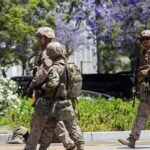


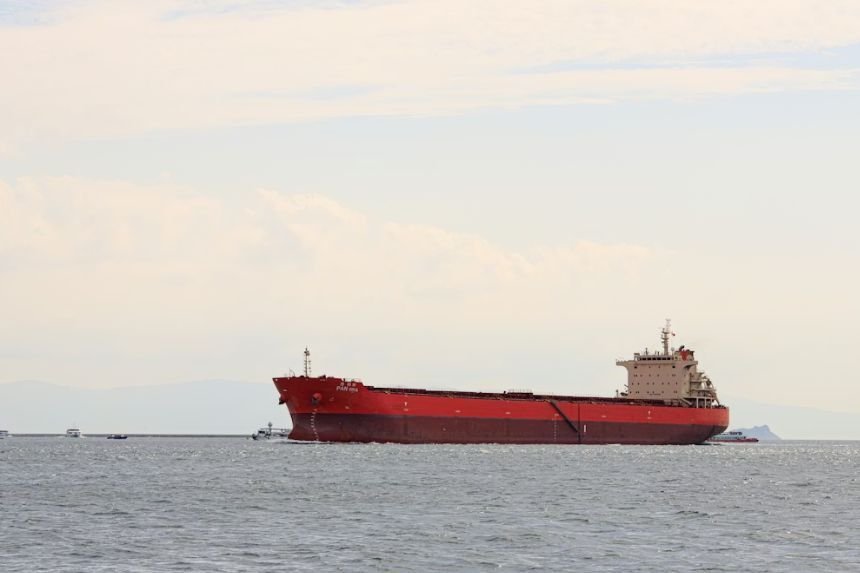
A major maritime development has unfolded after US forces executed an operation that resulted in an oil tanker being seized off the coast of Venezuela. This dramatic action represents a significant escalation in pressure on the Venezuelan regime.
Canada Imposes Steel Import Restrictions to Protect Industry
The seizure involved a large crude oil tanker allegedly carrying sanctioned oil, which drew immediate condemnation from Venezuelan authorities. The move highlights rising geopolitical tensions in the Western Hemisphere and underscores growing international scrutiny over illicit oil shipments.
Oil Tanker Seized — Details of the Operation
Officials confirm the operation targeted a sanctioned oil tanker delivering heavy crude from Venezuela’s oil fields. The vessel was intercepted off the Venezuela coast in a coordinated effort involving multiple US agencies.
The tanker was reportedly linked to previous sanctions for transporting illicit cargo. This oil tanker seizure is part of a broader crackdown on illegal oil trade, and the operation reflects increased maritime vigilance against smuggling networks and sanctioned oil flows.
Why the Tanker Was Seized
The seized tanker reportedly carried sanctioned oil — crude oil tanker shipments that violated sanctions are under intense monitoring. Authorities cited evidence that the vessel had participated in illicit oil shipping networks.
Because this shipment involved heavy crude slated for foreign importers, its interception aimed to disrupt funding streams for sanctioned parties. The legal grounds for the seizure rested on longstanding trade and sanctions violations tied to such illicit shipments.
Wider Repercussions and Geopolitical Tensions
The oil tanker seized off Venezuela has sparked significant backlash. Venezuelan authorities labeled the move a theft and act of piracy, vowing legal challenges and international denunciations.
The seizure compounds existing strain between Washington and Caracas, adding fuel to already heated geopolitical tensions in the region. Markets responded quickly — crude oil prices saw an uptick as investors reacted to the potential disruption in Venezuelan supply.
Impact on Oil Markets and Supply
Because the tanker reportedly carried a substantial load of heavy crude, its interception disrupted a supply line that had been part of international export routes. The reaction sent oil prices upward, reflecting concerns over reduced availability of sanctioned oil shipments.
The Future of US National Security: The Golden Dome Missile Defense System Explained
In the broader context, the seizure signals that crude oil tanker operations originating from sanction-targeted regimes may now face greater risks — a warning to others engaged in illicit or illicit-linked trade.
Strategic Significance of the Maritime Operation
The interception and seizure represent a shift in enforcement strategy — from financial sanctions to direct maritime intervention. By acting at sea to seize tankers carrying sanctioned oil, the US aims to tighten control over illicit export networks.
This maritime operation demonstrates a readiness to use force to uphold sanctions. It also serves as a deterrent to those involved in crude oil tanker trafficking under sanction-avoidance schemes.
Conclusion
The recent oil tanker seized near Venezuela marks a turning point in international efforts to enforce sanctions and curb illicit oil trade. By intercepting a crude oil tanker carrying sanctioned oil, US authorities have signalled a new phase of maritime intervention.
The move has escalated geopolitical tensions and disrupted oil supply chains, prompting an immediate reaction in global energy markets.
It underscores increased Western Hemisphere pressure on illicit oil networks and warns that sanction violations will face aggressive action.
As investigations continue and diplomatic fallout grows, this episode may reshape how oil shipments from sanctioned countries are monitored and controlled — highlighting the shifting dynamics of global maritime enforcement and energy security.
FAQs
Q1. Why was the oil tanker seized?
The tanker was seized because it reportedly carried sanctioned oil in violation of international sanctions against its owners.
Q2. Where did the seizure take place?
Authorities intercepted the vessel off the Venezuela coast in a maritime operation involving US forces.
Q3. How does this affect global oil supply?
The seizure disrupted a shipment of heavy crude oil, which contributed to a rise in crude oil tanker market prices and supply concerns.
Q4. What are the wider geopolitical consequences of this seizure?
The move has sharply escalated tensions between the intervening country and Venezuela, with potential diplomatic and trade repercussions across the region.
Q5. Could this lead to more maritime enforcement actions?
Yes — the operation signals a shift toward maritime enforcement of sanctions, and other vessels linked to illicit oil shipments may now be at greater risk of interception.